

The 2026 PINE Summit: Inclusion in Action
Where Inclusive Values Become Meaningful Practice
The PINE Summit is a virtual conference dedicated to building neuro-affirming communities—together.
About the Summit


Register for access to recordings and additional resources!
The PINE Summit brought together educators, clinicians, caregivers, and self-advocates dedicated to building neuro-affirming communities where every child belongs.
This year’s theme, Inclusion in Action, modeled what inclusion looks like in practice - not just in discussion. In four engaging sessions, attendees explored strategies, real-world examples, and practical tools to create consistent, inclusive experiences for neurodivergent children wherever they learn, play, and connect.

Event Details
Recordings available through June 26.
Cost: PINE Members receive free entrance to all sessions! The cost per session is $25 for non-members.
Bulk Purchases: If you represent an organization that wants to buy tickets in bulk, please reach out to info@pineprogram.org for assistance.
Who it’s for: Everyone! Whether you are an educator, admin, parent, or community member interested in the latest in inclusion, the PINE Summit is for you.

Explore the Sessions
Meet Our Lineup
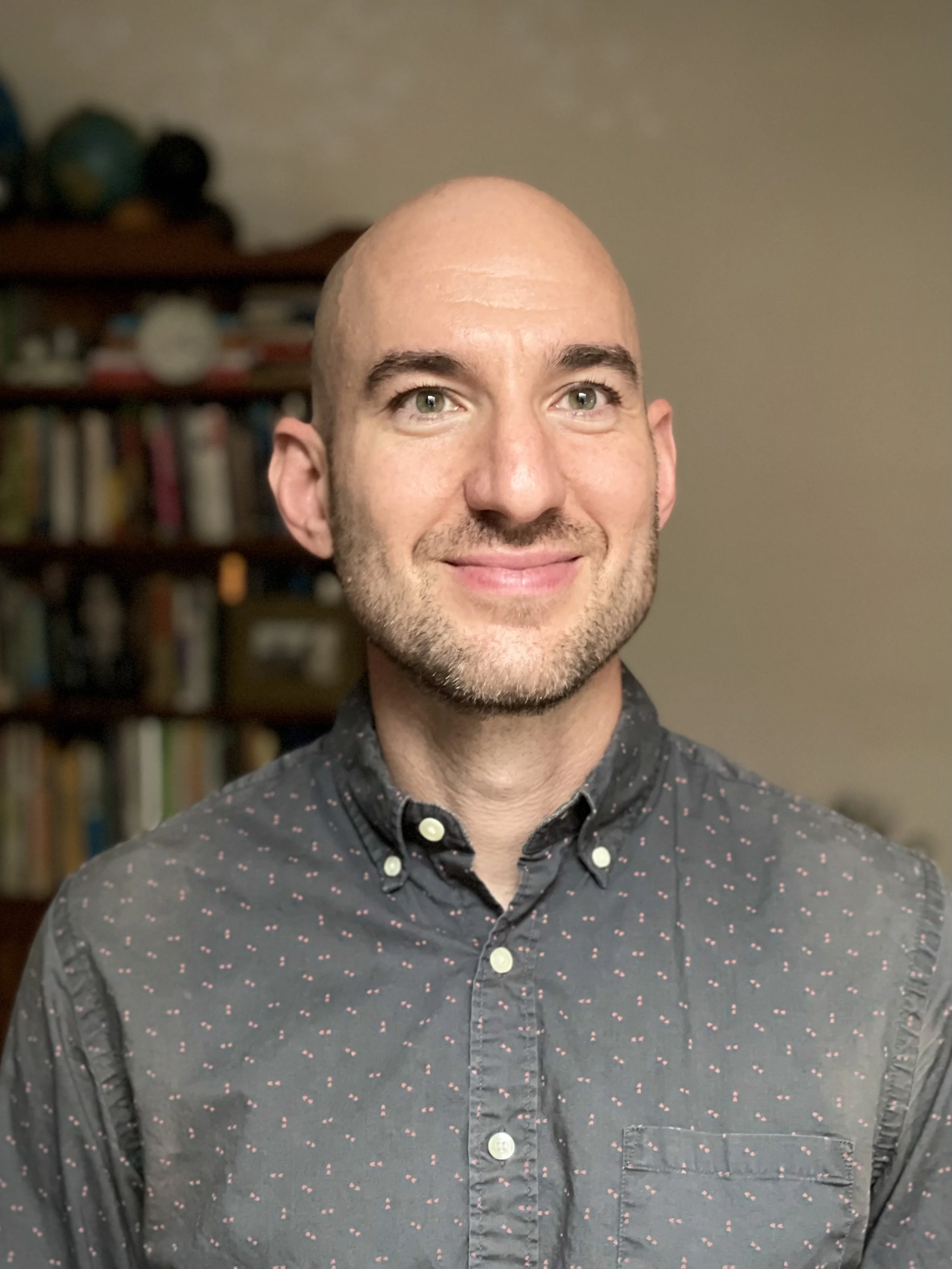
Presents Removing Barriers: Whole-Class Supports for Neurodivergent Learners
Aaron Lanou
About the Presentation: Schooling was not designed with neurodivergent learners in mind. Many classroom expectations - sitting still, sustaining attention for long periods, and processing large amounts of verbal information - create barriers that can prevent neurodivergent learners from demonstrating what they know. In this session, we will examine the strengths and support needs commonly seen among neurodivergent students and identify ways that typical classroom structures can unintentionally limit access to learning. Participants will explore how expectations tied to executive functioning, language processing, and sensory regulation affect students’ participation and performance. Together, we will identify barriers created by traditional classroom routines and develop strengths-based, tier-one supports that can be implemented across the whole class. These practical strategies are designed to reduce barriers for neurodivergent students while improving access and engagement for all learners.
By the end of this session, participants will be able to:
Describe the strengths and support needs of neurodivergent students.
Identify three barriers to learning that are created by expectations of typical schooling.
Design tier-one supports to support neurodivergent students and to benefit all learners.
About Aaron (he/him)
Aaron Lanou is an inclusive education consultant in Brooklyn, NY. He facilitates professional learning in schools and coaches teachers to use strengths-based practices to support their neurodivergent students - and all kinds of kids who have academic, executive functioning, and social support needs. Previously a special education teacher and the Executive Director of the Nest program at NYU, Aaron helps educators differentiate instruction, create visual supports, and design lessons for engagement - all to help all kids learn, be seen, and feel a sense of belonging in their classrooms.
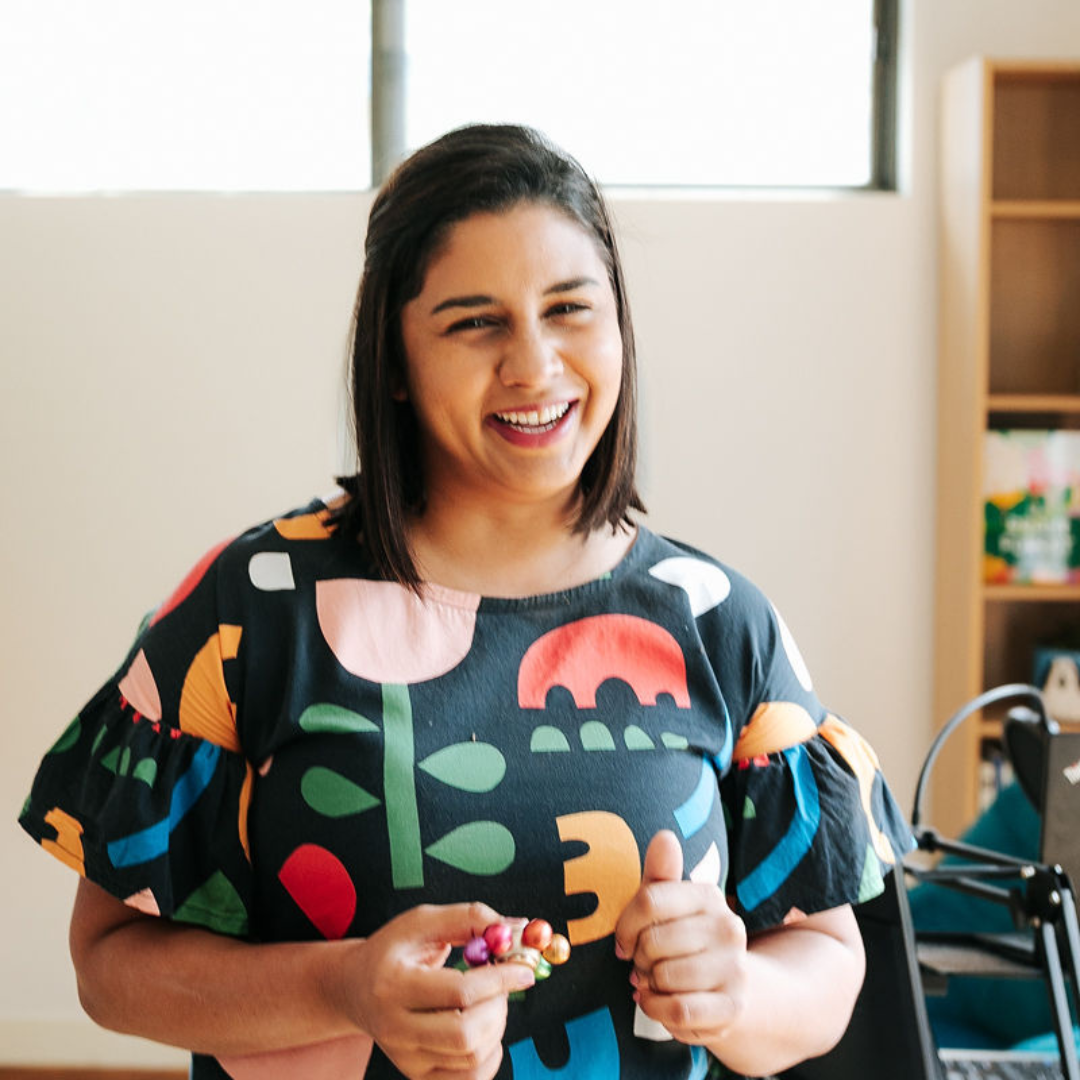
Presents Talking to Children about Neurodiversity
Sandhya Menon
About the Presentation: Educators are increasingly recognizing that students' brains work in beautifully varied ways, and there is an increased number of diagnosed children in the classroom. Yet many teachers feel uncertain about how to talk with children about these differences - when to address them, what language to use, and how to foster genuine understanding rather than simply tolerance. This presentation provides educators with practical ideas, language, and tools to confidently discuss neurodiversity with students of all ages, creating classroom cultures where every learner feels valued and understood.
By the end of this session, participants will be able to:
Explain why early education about neurodiversity benefits all students and use age-appropriate language to discuss brain differences with children.
Respond confidently to common student questions about fairness, accommodations, and differences, using scripts that build empathy while protecting privacy.
Reflect on neuronormative classroom expectations and traditional behaviour strategies, that educators may let go of or replace to better support neurodivergent students.
Learn language and apply practical strategies to discuss neurodiversity directly with students in ways that feel safe and real.
Foster classroom interactions that encourage understanding, respect, and inclusion among all students.
About Sandhya (she/her)
Sandhya Menon is an AuDHD Developmental Psychologist and Author of the much-loved kids’ books The Brain Forest, The Rainbow Brain, and her latest creation, My Body’s Power Pack. She spends her days helping children and families build strong self-identities that celebrate and know their neurotype before the world tries to tell them otherwise.
Her work is a mash-up of sharp clinical knowledge, lived experience, and just enough whimsy to make even the trickiest concepts feel human (and yes, actually fun). She draws from her collectivist family roots in Singapore and her neurodivergent self to call out Western and neuronorms that don’t serve our communities and make conversations truly inclusive and representative of our different realities.
Presents Dynamic Paraeducator Support for Building Student Autonomy
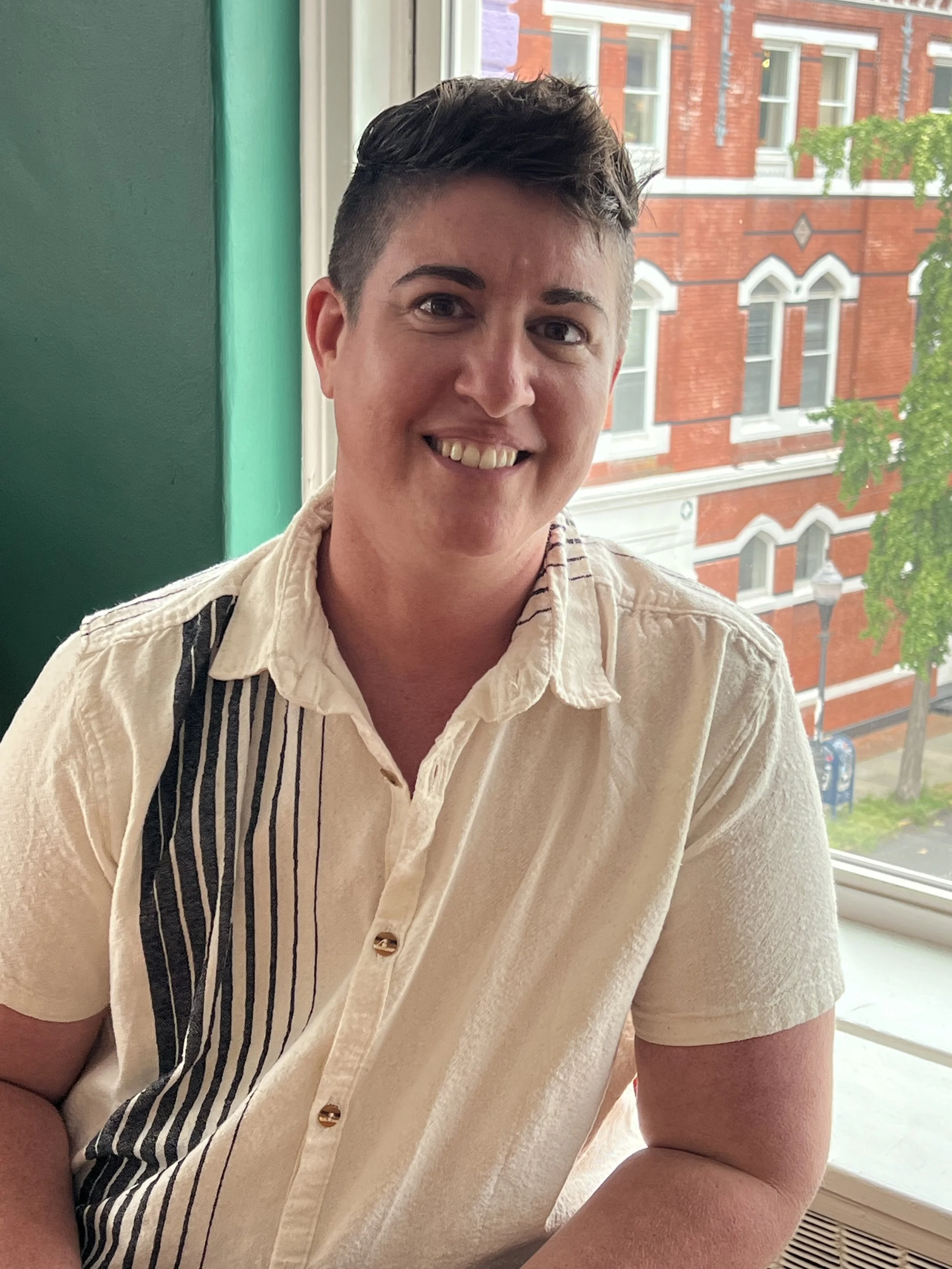
Kade Friedman
About the Presentation: Paraeducators (“Paras”) have a unique and powerful role in helping students learn, participate, and grow alongside their peers. The support provided is never one-size-fits-all and depends on the student–para relationship, the task at hand, and each student’s skills and needs. This session explores what makes the paraeducator–student relationship special and how it can be used to help students build self-awareness that leads to self-advocacy. Participants will examine common myths about what makes a strong paraeducator, learn practical strategies for supporting student independence, and discover how faded supports - or gradually stepping back - can guide students toward confidence and autonomy. Attendees will leave with concrete tools for determining the right support at the right moment and for empowering students to understand their needs and advocate for themselves. This session draws from examples with K–12 students in mind.
By the end of this session, participants will be able to:
Identify the primary goals of paraeducator support, including helping students manage needs, empowering students through self-advocacy, and fostering independence.
Explore the unique paraeducator–student relationship and implement approaches to foster trust and collaboration.
Recognize common myths about what makes a strong paraeducator and examine evidence-based practices.
Apply and fade supports incrementally to help students build self-awareness, confidence, and autonomy.
Discover strategies that promote student self-advocacy while maintaining appropriate support.
About Kade (they/them)
Kade Friedman (they/them) is a white, non-binary, autistic, New York-based educator with 20 years of experience teaching pre-K through higher ed. Kade is the Director of Education at PINE. They work with teachers to uncover their biases so they can co-create equitable and inclusive learning communities with neurodivergent, disabled, and gender expansive students. Kade's work is rooted in disability justice, abolitionist pedagogy, trans-inclusive pedagogy, culturally sustaining pedagogy, and universal design for learning.
Presents Understanding Attention in ADHD - It's Not What You Think!
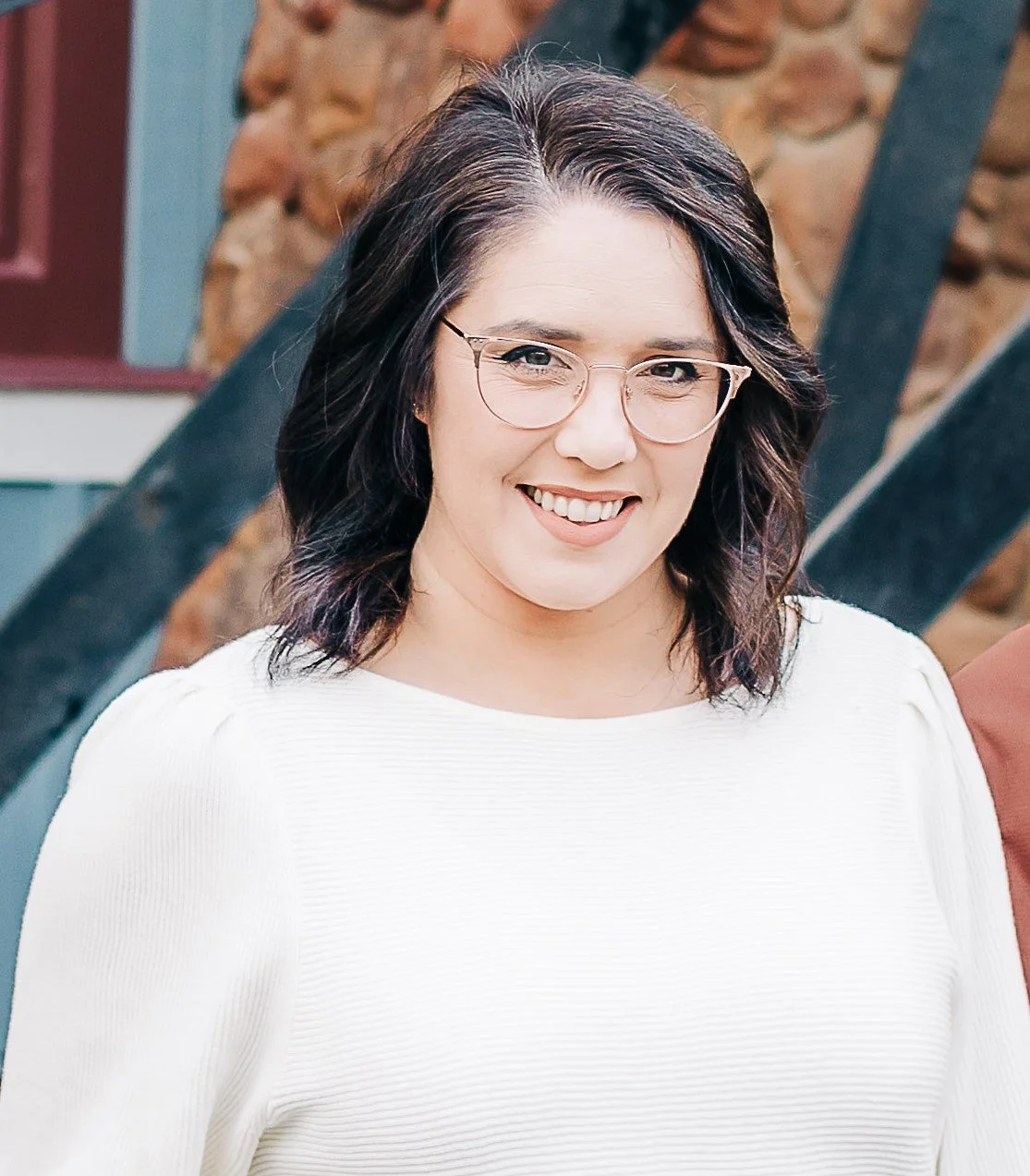
Sarah Hays
About the Presentation: In this session, Dr. Sarah Hays, clinician and ADHD specialist, explores how attention in ADHD often shows up in ways that are misunderstood, misinterpreted, or overlooked. The session will unpack diagnostic features, key statistics, and real-world examples to highlight the many ways ADHD can manifest across ages and settings. It will also examine how interpretations and assumptions influence what we notice and how we respond to attention differences. The session examines the role of ableism in shaping perceptions of behavior, inviting participants to reflect on how bias impacts understanding and support. Attendees will be encouraged to rethink ADHD through a lens of kindness, curiosity, and respect. The session will conclude with practical resources and time for participant questions.
By the end of this session, participants will be able to:
Describe the different ways ADHD and attention can present in children across settings.
Examine how assumptions and ableism influence what we notice about ADHD and related behaviors.
Identify common misconceptions about ADHD and attention in children.
Apply practical strategies by listing three or more ways to be positive supports for ADHD-diagnosed individuals.
Reflect on how shifting interpretation can lead to more supportive responses to attention differences.
About Sarah (she/her)
Sarah A. Hays, PsyD is a Doctor of Counseling Psychology and licensed mental health counselor in Washington State. Her passion for serving the gaming community has been clear since before she started working for Take This in 2018 as a clinical contributor, and focusing heavily on her passion of sharing expertise: consulting on multiple well- known video games, co-authoring expert content; and delivering live, educational content like workshops, panels, and co-hosting Take This’ Twitch stream. She has since taken on the role of Accelerate Program Manager, creating the first-of-its-kind mentorship program for individuals pursuing careers at the intersection of gaming and mental health. In her spare time, Dr. Hays is an outpatient therapist for Respec Psychological Services, specializing in working with games industry, ADHD, and LGBTQIA+ populations. She is one of the editors of the first edition of the groundbreaking book A Clinician’s Guide to Geek Therapy. Dr. Hays has authored excerpts in Psychgeist of Pop Culture: The Witcher, Psychgeist of Pop Culture: Stardew Valley, Psychgeist of Pop Culture: Disney Villains, Video Games and Well-Being, and The Art of Psychonauts 2. She is also the editor of Psychgeist of Pop Culture: Black Mirror.

Enjoy Summit sessions through June 26!

“This conference was transformational! My staff and parents were inspired to continue this work. Thank you for helping us to move past Awareness through Acceptance to Affirmation, Appreciation and Celebration of differences. Kudos for modeling space where everyone belongs, everyone learns, and everyone is celebrated.”
— Yvette Goorevitch, Chief, Specialized Learning, Norwalk Public Schools
“I can't begin to tell you how inspiring the conference was. It was full of practical information and strategies. But even more important was the overall orientation it gave to help autistic folks and their co-travelers map a positive and productive course through all aspects of each day and onward. My compass is permanently set towards recognizing strengths, presuming competence, welcoming interests, listening, and collaborating. I left feeling so deeply thankful for the work I do and the people I get to work with.”
— Janet Weeks, Parent and Special Education Teacher
“For me, this event couldn't have come at a better time. Although it was during my break from school, I left with a reminder once again of my purpose for teaching. Today, as I walked back into my classroom, I was looking forward to continue to make meaningful relationships with my students, families and fellow teachers.”
— Michelle Vera, Teacher